

Wait, before you jump to the conclusion that omnichannel marketing is a made-up word, give it a chance! This little marketing gem is something your business should be embracing to get real results in the modern world.
Unless you’ve spent much of your time huddled in an igloo whilst researching penguins in Antarctica, you’re probably well aware that marketing has radically changed. We’ve come a long way from the mass, push-based print and TV advertising that the baby boomers were very familiar with. Today we are experiencing a more personalised, 1:1 approach.
Batch and blast email campaigns are on the decline. Generic print advertising is fast becoming money wasted. And gone are the good old days where Barry the vacuum cleaner seller could spend 10 minutes telling you how great the power and suction of this brand is over others on the market. It can even lift a bowling ball – handy when the kids leave them around. Whilst before people would pick up the phone and order immediately without any other research, times have changed!
Today, the path to buy can involve many different devices, sites, channels and locations. The journey can start and stop at any time.
A seamless and effective user experience across all channels is now vital for effective business marketing.
Businesses today need to provide one clear journey and experience across multiple channels. They need to take an omnichannel marketing approach.
What is omnichannel marketing?
Think about the last purchase you made. Not your normal morning coffee, let’s think a big bigger. Perhaps it was a television, gift, winter jacket or even a car. How many different channels did you visit before making a decision about the right choice for you?
Did you visit brick and mortar stores? A website? Review site? App? Did you receive a catalogue in the mail? Spot a TV ad about the product? Notice a post/ad about in on your Facebook news feed?
According to Google, 90 per cent of people with multiple devices switch between screens to complete a task. And they’re using an average of three different screen devices each day. There are more potential touchpoints for your brand and more sources of information for your customers than ever before. And they are using them prior to purchasing!
Omnichannel marketing is about viewing your customer’s journey with your brand and products through their eyes. It’s about orchestrating a customer experience that is seamless, integrated, consistent and keeps you top of mind. It anticipates the next move your customer makes, the next piece of information they need, and keeps the messaging and imagery consistent to ensure they are continuously seeing the same solution.
It involves understanding and prioritising the customer’s needs, interests and behaviours. It’s about creating a journey that could span days, locations, devices and marketing channels.
According to a survey by Aspect Software, businesses that adopt an omnichannel strategy achieve 91 per cent greater year-over-year customer retention rates compared to business that don’t.

What is difference between multichannel and omnichannel marketing?
You may be familiar with the term multichannel marketing. It means exactly that – using many channels for your business marketing.
All omnichannel marketing strategies will use multiple channels. However, not all multichannel marketing strategies embrace an omnichannel approach.
If your messaging and channels aren’t working together, you are traveling down the multichannel marketing lane my friend. Roll down the window…can you hear that chugging? That’s your business struggling to push out multiple messages, campaigns, and content without an integrated approach.
Might be time to use the higher quality fuel for customer results – omnichannel marketing.
An example of omnichannel marketing
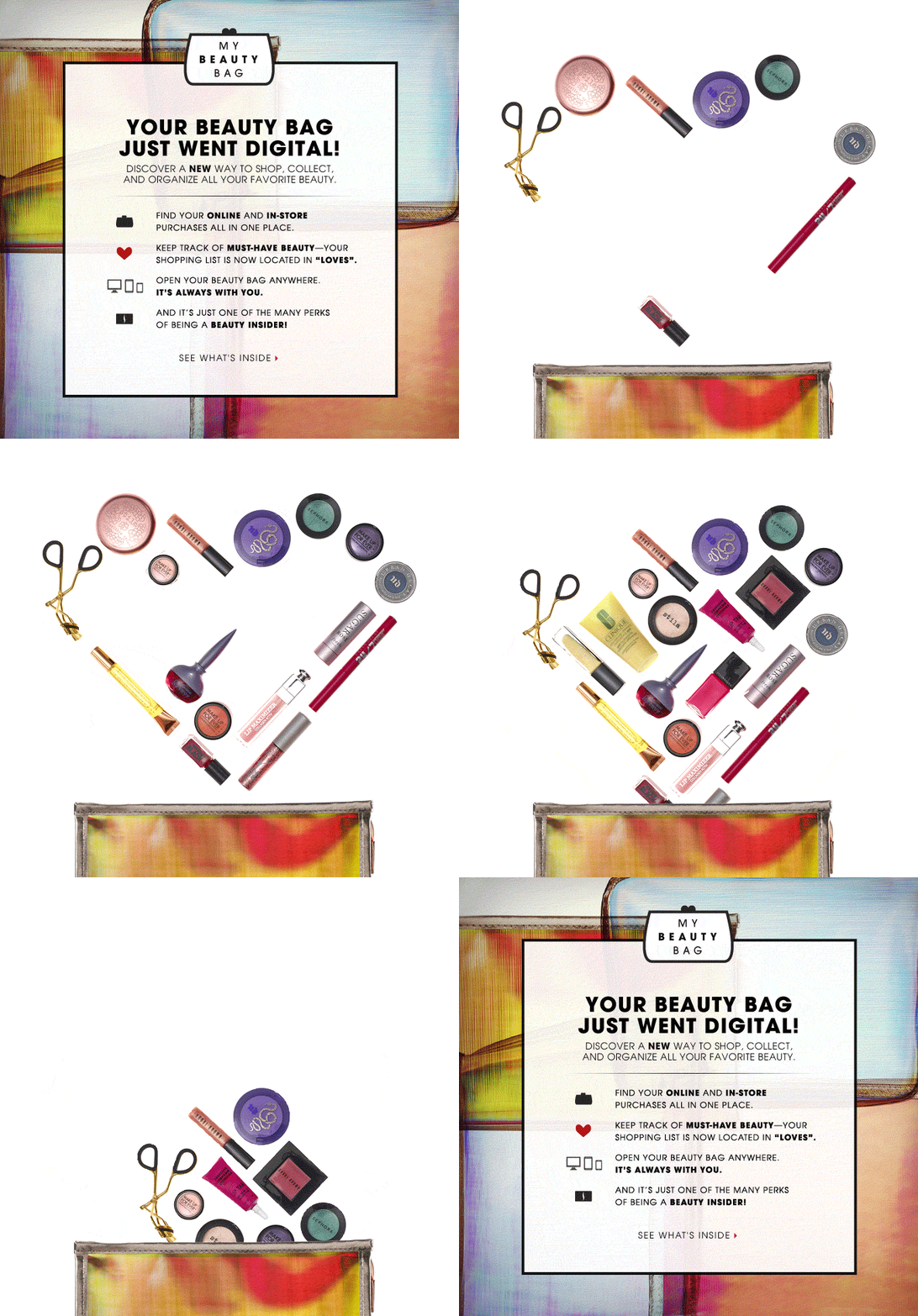
Whilst there are many great examples of omnichannel marketing done well, our pick is Sephora. The beauty giant delivers an experience that caters distinctly to their target market and is neatly tied in a (nail)polished bow.
Sephora understands its niche and customer’s wants and needs. The head marketing honchos know that Sephora provides a lot of variety to choose from in their stores. They also know this can make product selection overwhelming for a first-time shopper. They’ve created a personalised approach through a loyalty program – My Beauty Bag – that allows customers to manage their purchases, favourite products and see products that might best fit their needs and style. Ahhh personalised marketing – you magical, eyeshadow wearing beast.
Customers can visit their Beauty Bag whilst shopping in store, in the app and online to make purchasing easy. They can also digitally ‘try on’ products through a tool in the My Beauty Bag software. If they like the product, they can add it to their wish list and easily purchase all items from the app, in store or online.
In addition, they offer complimentary makeovers and beauty workshops to help users to discover the right products for them and add new products to their repertoire.
It makes finding the right lippy colour a whole lot easier, and builds trust between their business and consumers.
Their approach to personalised marketing makes converting easy. They give their customers what they want, in the way they want it.

Four steps to implementing an omnichannel marketing strategy in your business
One of the best ways to track your customers movements across multiple spaces is through a sophisticated customer relationship management tool. The Marketing GP is a Hubspot partner. We’ve used their customer tracking and personalised marketing capabilities to enhance the customer experience for clients in a range of industries. And we’ve used it for ourselves!
